
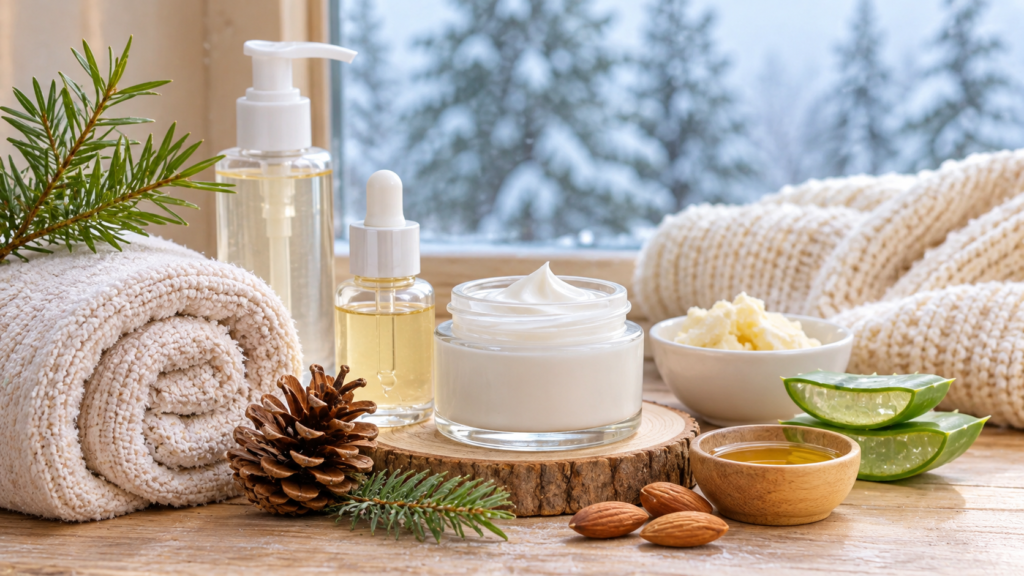

Winter is the season when your skin gets dry or extremely dry. It can feel like moisture has been sucked out of your skin by the cold and dry air. People with dry skin suffer more from this, as they often experience flaky skin that feels tight and uncomfortable. Even people who normally have balanced skin can experience dryness during winter.
There are many reasons why your skin can become dry and uncomfortable during colder months. One of the biggest reasons is cold wind and the transition from cold outdoor air to indoor heating. During winter, your skin needs proper hydration, but taking care of your skin does not always mean buying dozens of new products. Keeping your skincare routine simple and hydrating is the key to maintaining healthy-looking skin.
Here are some practical ways you can take care of your skin in winter:
Switch to a Gentle Cleanser
Cleansing the skin is important during winter to remove grime and dust from your face. Make sure you use lukewarm water on your skin and not scalding hot water, because too much heat can disturb your skin’s moisture balance, making it feel tight and uncomfortable.
Choose a gentle cleanser that can remove excess oil, dirt and dust from your face and leave your skin feeling comfortable instead of stripped. Some cleansers remove too much of the skin’s natural oil, which is not good for maintaining skin hydration. So, you should choose a cleanser according to your skin type and select something that will not leave your skin feeling uncomfortable.
Never Skip Moisturizer
This is especially important for people with oily skin. Just because your skin feels greasy, you shouldn’t skip moisturizer. Moisturizing your skin during winter is important because your skin loses moisture more easily during the cold and dry season.
While looking for a good moisturizer, you should look for ingredients like:
- Hyaluronic Acid: It helps retain water in the skin.
- Glycerin: Draws moisture into the outer layer of the skin.
- Ceramides: Help support and maintain the skin’s natural protective barrier.
- Shea Butter: Helps soften dry skin and reduce moisture loss.
- Squalane: Helps soften the skin and support moisture retention.
You can also read our guide on Best Skin Care Products for Dry Skin in India to learn more about suitable skincare ingredients and products.
Do Not Forget Sunscreen
Sunscreen is an essential part of your skincare routine. It doesn’t matter whether it is cloudy outside or not; sun protection is important throughout the year. During winter, people often spend time outside to enjoy the sunlight and warmth, but direct sunlight can still affect their skin.
You can make sunscreen a regular part of your morning routine and choose a broad-spectrum sunscreen with SPF 30 to SPF 50. The difference between SPF 30 and SPF 50 is that SPF 30 filters approximately 97% of UVB rays, while SPF 50 filters approximately 98% under standard testing conditions. Neither blocks 100% of UV rays.
If you spend a lot of time outside, you can consider SPF 50 as part of your skincare routine. Make sure you choose a broad-spectrum product that provides UVA and UVB protection. Reapply sunscreen approximately every two hours during extended outdoor exposure, and sooner after swimming or sweating.
For more information, read our Complete Guide to Sun Protection, Sunscreen and SPF.
Avoid Excessive Exfoliation
Exfoliation helps remove dead skin cells and can be good for your skin when done occasionally. However, too much exfoliation can leave your skin more sensitive, dry and irritated. If your skin is already very dry and flaky, you should avoid scrubbing your face.
Instead, you can use a gentle exfoliating product on your skin depending on your skin’s tolerance. If your skin is sensitive or so dry that even normal stretching of the skin hurts, you should avoid scrubbing your face with any kind of exfoliator.
Remember one thing: just because your skin is flaky doesn’t mean it needs more rubbing. Sometimes all your skin needs is gentle care.
Keep Your Lips Moisturized
The skin on your lips is more sensitive than the skin on other parts of your face. When exposed to cold air, it can become dry and uncomfortable. What you can do here is nourish your lips frequently. You can use a fragrance-free lip balm or petroleum jelly, depending on what suits you best.
Your lips can become dry throughout the day, so it is recommended to keep lip balm with you all the time. Just like your face, your lips can also become uncomfortable when exposed to excessive heat. Use lukewarm water to gently clean your lips and apply lip balm afterward.
If your lips are prone to getting drier in winter, choose a moisturizing lip balm that helps protect them from moisture loss.
Avoid Long, Hot Showers
After a long day, all we want is a long, hot shower to relax and remove the stress of the day. But we rarely bother to ask whether hot showers are good for our skin or not. As we have discussed earlier, hot water can make your skin lose moisture and feel tight and uncomfortable. So, make sure you don’t use scalding hot water on your skin.
Try taking shorter baths with lukewarm water instead. If you don’t want your skin to feel tight and uncomfortable after a shower, use a gentle body wash instead of harsh soap. Gently pat your skin with a towel and always use lotion while your skin is slightly damp after the shower.
Choose Winter-Friendly Skincare Products
You may ask what the difference is between summer and winter skincare products. There can be several differences. For example, you may prefer a lightweight moisturizer during summer, while your skin may need a richer moisturizer during winter because of the colder and drier weather.
Here are a few things you can consider when choosing winter skincare products:
- You should prefer moisturizers that contain hydrating and barrier-supporting ingredients.
- Avoid cleansers that leave your skin feeling stripped or too tight.
- Choose fragrance-free products if your skin is easily irritated.
- You shouldn’t introduce several new active ingredients to your routine all at once.
- Pay attention to how your skin responds instead of following every skincare trend.
If you have dry skin, you can also explore our guide to Best Sunscreen Cream for Dry Skin in India.
Maintain Healthy Eating and Hydration Habits
Only using skincare products is not enough for your skin. What you eat also influences how your skin looks and feels. Certain dietary habits may affect skin concerns such as acne, although everyone’s skin responds differently.
During winter, people often drink less water because they do not feel thirsty, but that doesn’t mean our body doesn’t need hydration.
Eating a balanced diet and drinking enough water can support your overall health and skin. You can include fruits and vegetables rich in vitamins, healthy fats and antioxidants as part of a balanced diet alongside your skincare routine.
If you find it difficult to drink water in winter, you can include warm soups, herbal teas and simply lukewarm water. These can help you maintain your daily fluid intake.
Use a Humidifier if Indoor Air Feels Too Dry
This is the nature of winter: the air becomes dry, whether outside or inside. Indoor heating also plays a part in drying the indoor air quickly. This can contribute to moisture loss from your skin, especially if you spend a lot of time in heated rooms.
You might have noticed that when you blow-dry your hair, the hot air falling on your face can make your skin feel tight, even if you have applied moisturizer. Indoor heating can have a similar effect on your skin. A humidifier can help add moisture to indoor air and make the environment more comfortable.
Make sure you clean your humidifier regularly according to the manufacturer’s instructions to prevent the buildup of mould and bacteria.
Adjust Your Skincare Routine According to Your Skin Type
It is important to know your skin type when choosing skincare products because you cannot mix products however you like. Your skin is different from others, and not every product will suit your skin.
Here are a few things to consider:
For Oily Skin: You shouldn’t skip moisturizer even if your skin is oily. Hydration is important. What you can do here is use a lightweight, non-comedogenic moisturizer that provides your skin with essential hydration without making it too greasy.
For Dry Skin: Winters can be a nightmare for people with dry skin. Your skin is naturally dry, and cold winds can make it even drier. To tackle this situation, use products that contain ceramides, glycerin or shea butter.
For Sensitive Skin: People with sensitive skin can avoid fragranced products, as they may irritate the skin and cause discomfort. Stick to gentle products that can cleanse and hydrate your skin, and look for products marketed for sensitive skin.
For Normal Skin: People with normal skin can continue their usual routine, but if their skin starts to feel dry during winter, they can use a slightly richer moisturizer to maintain hydration. Avoid using too much or too little product on your skin.
For Combination Skin: People with combination skin may experience oiliness around the forehead, nose and chin, while their cheeks feel dry. Choose a lightweight moisturizer that provides hydration without making your skin feel greasy.
A Simple Winter Skincare Routine
I’m sure there are many people who want to keep their skincare routine simple, no matter what the season is. But maintaining a skincare routine can feel difficult during winter when all you want is to snuggle deep into a warm blanket. But your skin still needs proper care, so here is an easy morning and evening routine you can follow.
Morning:
- Start your day by cleansing your skin with a gentle cleanser.
- Apply a hydrating serum if needed and if it is already a part of your skincare routine.
- Apply moisturizer to slightly damp skin to help retain moisture.
- Finish with broad-spectrum sunscreen with SPF 30 or higher.
Evening:
- Remove makeup, if any, and sunscreen properly.
- After that, wash your face with a gentle cleanser.
- Apply moisturizer to help maintain hydration overnight.
- To prevent dry and chapped lips, use a moisturizing lip balm.
Conclusion
Cold and dry winds can leave our skin feeling tight, dry and uncomfortable, but with proper skincare, we can help our skin stay hydrated. Cold weather may change how your skin feels, but you do not need to make drastic changes to your skincare routine. Sometimes a small change is enough instead of using too many products altogether.
Your skin doesn’t need extensive care; all it needs is gentle care. Being too harsh with your skin can cause irritation and discomfort. No matter what, avoid excessive heat. If it is difficult to wash your skin with cold water, use lukewarm water instead of scalding hot water. This can help prevent unnecessary moisture loss. Follow a simple winter skincare routine to help your skin stay hydrated and cared for.
FAQs
Q1. Why does my skin become dry during winter?
The main causes of dry skin during winter are cold and dry winds. Another reason is excessive heat from hot showers and indoor heating. Together, these factors can make your skin dry, irritated and flaky.
Q2. Should I change my skincare routine in winter?
There is no need to drastically change your whole skincare routine, but you can make a few adjustments. If your skin is dry and prone to becoming drier, you can choose a richer moisturizer. Similarly, even oily skin needs hydration during winter months.
Q3. Is sunscreen necessary during winter?
Yes, sunscreen is important no matter what the season is. It helps protect our skin from harmful UV rays. Sunscreen shouldn’t be an afterthought, even on cloudy and cold days.
Q4. How often should I wash my face during winter?
It is advisable to avoid excessive washing because it can contribute to dryness. For many people, washing their face once in the morning and once in the evening is sufficient.
Q5. Can oily skin become dry in winter?
Yes, oily skin can also experience dehydration and moisture loss due to cold and dry air. So, it is important to use a moisturizer. You can choose a lightweight hydrating formula so your face doesn’t feel sticky.
Disclaimer: This article is for informational purposes only and is not a substitute for professional skincare or healthcare advice. Consult a qualified skincare or healthcare professional before trying new products or making significant changes to your skincare routine.
About Author

