
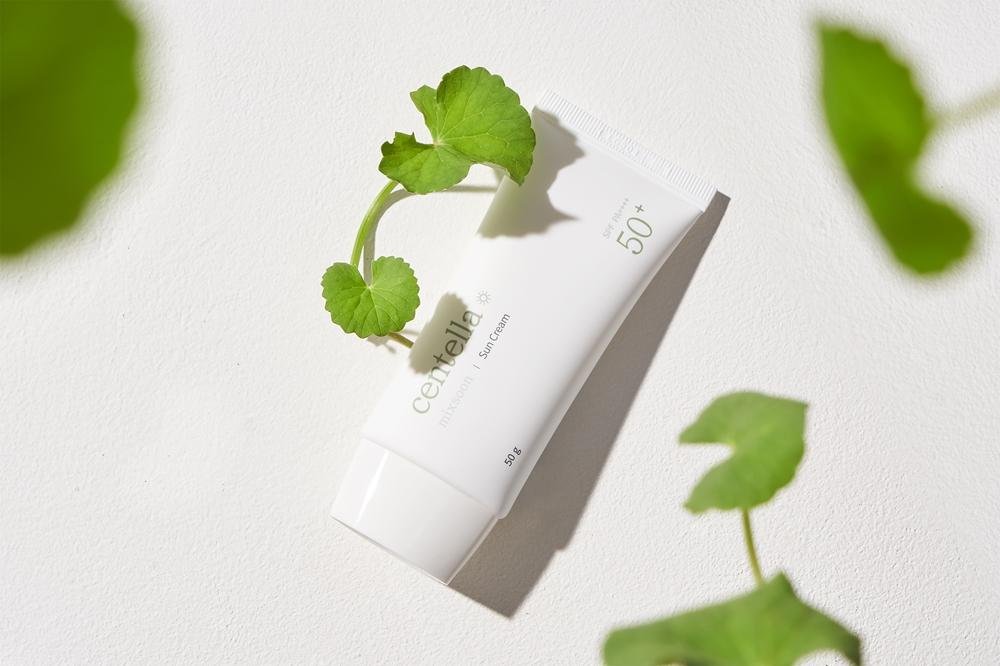

Finding the right sunscreen can feel challenging when you have oily skin. Some sunscreens leave the face looking shiny, while others feel heavy or uncomfortable throughout the day. You may even avoid applying sunscreen because you don’t like the greasy feeling it leaves behind.
However, skipping sunscreen is not a good solution. Daily sun protection is an important part of a skincare routine, regardless of whether your skin is oily, dry, or combination.
The good news is that many lightweight sunscreen formulas are available today. The key is understanding which texture, ingredients, and SPF level work well with your skin’s needs.
In this guide, we’ll explain how to choose the best sunscreen for oily skin, what ingredients to look for, which formulas to consider, and how to apply sunscreen without making your face feel excessively greasy.
Why Does Oily Skin Need Sunscreen?
Oily skin naturally produces more sebum, the oil released by sebaceous glands. This can make the face appear shiny, particularly around the forehead, nose, and chin.
But excess oil does not protect your skin from ultraviolet (UV) radiation.
Regular exposure to sunlight can contribute to:
- Premature skin ageing and fine lines.
- Sunburn and skin irritation.
- Uneven skin tone and dark spots.
- Increased pigmentation.
- Long-term skin damage.
Using a suitable sunscreen helps protect your skin against harmful UV exposure. It should be part of your everyday morning skincare routine, even if your face already looks oily.
If you are new to skincare, read our guide on Simple Skincare Routine for Beginners to understand how to build a basic daily routine.
What Is the Best Type of Sunscreen for Oily Skin?
There isn’t one sunscreen formula that works perfectly for everyone. However, people with oily skin often find lightweight, non-greasy textures more comfortable.
Here are some common sunscreen types worth considering.
#1. Gel Sunscreen
Gel sunscreens usually have a lightweight texture and spread easily across the skin. Many people with oily skin prefer them because they feel less heavy than rich creams.
Why consider gel sunscreen?
- Lightweight feel.
- Easy application.
- Often suitable for humid weather.
- Some formulas leave a less greasy finish.
Check the product label because not every gel sunscreen is oil-free or suitable for acne-prone skin.
#2. Water-Based Sunscreen
Water-based sunscreens are another option for people who dislike heavy skincare products.
They are generally designed with a lighter texture and may feel comfortable under makeup or other skincare products.
However, the term water-based does not automatically mean that a sunscreen is non-comedogenic or completely oil-free. Always check the complete formulation.
#3. Matte-Finish Sunscreen
If your face becomes shiny shortly after applying sunscreen, you may prefer a matte-finish formula.
These products are designed to reduce the appearance of surface shine. Some contain oil-absorbing ingredients that help create a less glossy finish.
A matte finish can be particularly useful for people who spend long hours outdoors or work in warm, humid conditions.
#4. Lightweight Lotion Sunscreen
Not everyone with oily skin needs a gel formula. Some lightweight lotions can also work well.
Look for a product that spreads comfortably without leaving a thick or sticky layer. Your skin’s response matters more than the texture category printed on the packaging.
Important Ingredients and Features to Look For
When shopping for sunscreen for oily skin, pay attention to the following features.
Non-Comedogenic Formula
Non-comedogenic products are formulated to be less likely to clog pores.
This feature can be useful if you have oily or acne-prone skin. However, no label guarantees that a product will never cause breakouts.
Zinc Oxide
Zinc oxide is a mineral UV-filter ingredient used in sunscreen formulations. It provides broad-spectrum UV protection when included in a properly formulated product.
Some people with sensitive skin prefer mineral sunscreens, although individual reactions and product textures can vary.
Niacinamide
Niacinamide is a skincare ingredient found in many moisturizers and sunscreen products.
It is commonly used in skincare formulations to support the skin barrier and improve the appearance of uneven skin tone. If you already use a niacinamide serum, check whether your sunscreen also contains it before adding unnecessary extra products to your routine.
Broad-Spectrum Protection
Choose a sunscreen labelled broad-spectrum. This indicates protection against both UVA and UVB radiation.
For everyday use, select a sunscreen with SPF 30 or higher. SPF 50 is also a practical option, particularly when spending more time outdoors.
Remember that SPF primarily indicates protection against UVB-related sunburn. Broad-spectrum protection also addresses UVA radiation.
SPF 30 vs SPF 50: Which One Should You Choose?
Both SPF 30 and SPF 50 can provide good sun protection when applied correctly.
SPF 30 filters approximately 97% of UVB rays, while SPF 50 filters approximately 98% under controlled testing conditions.
The difference may appear small, but proper application is essential.
Consider SPF 50 if you spend significant time outdoors or prefer a higher SPF rating. More importantly, choose a broad-spectrum product and apply enough of it.
No sunscreen provides complete protection from the sun.
How to Apply Sunscreen on Oily Skin
Even a good sunscreen may not perform as expected if you apply too little or miss certain areas.
Follow these simple steps:
Step 1: Cleanse Your Face
Start with a gentle cleanser that removes excess oil, sweat, and everyday dirt without leaving your skin feeling tight.
Avoid washing your face repeatedly throughout the day just to remove shine.
Step 2: Apply Moisturizer
If your skin needs additional hydration, apply a lightweight moisturizer.
People with oily skin should not automatically skip moisturizer. Choose a texture that feels comfortable and does not leave a heavy residue.
Step 3: Apply Sunscreen Generously
Apply broad-spectrum SPF 30 or higher sunscreen to all exposed skin.
A useful guide for the face is approximately two finger-lengths of sunscreen, although the amount needed depends on your face size and the product’s application instructions.
Don’t forget your ears, neck, and other exposed areas.
Step 4: Allow It to Set
Give your sunscreen a little time to settle before applying makeup or other products.
Follow the manufacturer’s directions regarding application and layering.
Step 5: Reapply When Needed
Reapply sunscreen approximately every two hours when outdoors, and after swimming, sweating, or towel drying, following the product label.
If you spend most of your day indoors, consider your proximity to windows and your actual sun exposure when planning reapplication.
Common Sunscreen Mistakes People With Oily Skin Should Avoid
Some everyday habits can make sunscreen feel uncomfortable.
#1. Skipping sunscreen because of oily skin
Oily skin still needs protection from UV radiation. Look for a more comfortable formula instead of avoiding sunscreen.
#2. Applying too little sunscreen
Using a small amount can reduce the protection you receive. Apply an adequate, even layer.
#3. Choosing products only because they say oil-free
Oil-free is one feature to consider, but it does not automatically mean a sunscreen will suit your skin.
#4. Skipping moisturizer
A lightweight moisturizer can help maintain skin comfort. Select a formula that works with your sunscreen.
#5. Not reapplying sunscreen
Sun protection can decrease with time, swimming, sweating, and towel drying. Follow the recommended reapplication instructions.
#6. Using harsh cleansers to remove oil
Over-cleansing can leave your skin feeling dry and uncomfortable. A gentle cleansing routine is usually a better approach.
Can People With Oily and Acne-Prone Skin Use Sunscreen?
Yes. People with oily and acne-prone skin should also use sunscreen.
The challenge is finding a product that feels comfortable and works well with their existing skincare routine.
Consider these points:
- Look for lightweight, non-comedogenic formulas.
- Avoid products that consistently cause discomfort or breakouts for you.
- Choose broad-spectrum SPF 30 or higher.
- Remove sunscreen gently at the end of the day.
- Avoid introducing several new skincare products simultaneously.
If a sunscreen repeatedly causes irritation or breakouts, discontinue it and consider trying a different formulation.
How to Choose Sunscreen for Oily Skin in Summer
Hot and humid weather can make your face feel even oilier.
During summer, consider:
- Lightweight gel or fluid textures.
- Broad-spectrum SPF 30 or higher.
- Water-resistant sunscreen if you are swimming or sweating.
- Formulas that feel comfortable under makeup.
- Regular reapplication according to the product instructions.
Remember that water-resistant sunscreen is not waterproof. Reapply as directed, particularly after swimming or towel drying.
Frequently Asked Questions
Q1. Which sunscreen is best for oily skin?
A lightweight gel, fluid, or matte-finish broad-spectrum sunscreen may be a comfortable option for oily skin. Choose SPF 30 or higher and consider non-comedogenic formulations.
Q2. Is SPF 50 good for oily skin?
Yes. SPF 50 can be suitable for oily skin. The SPF rating does not determine whether a sunscreen feels greasy. Its overall formulation and texture matter.
Q3. Should people with oily skin use moisturizer before sunscreen?
If your skin needs additional hydration, apply a lightweight moisturizer before sunscreen. Allow it to settle before applying the sunscreen layer.
Q4. Can sunscreen cause pimples?
Some sunscreen formulations may not suit every person’s skin and can contribute to clogged pores or breakouts. Consider a non-comedogenic formula and discontinue products that repeatedly cause problems.
Q5. Is gel sunscreen better than cream sunscreen for oily skin?
Gel sunscreen may feel lighter and less greasy for some people. However, certain lightweight cream formulations can also work well. Choose based on your skin’s comfort and the product’s protection.
Q6. Can I use sunscreen every day if I have oily skin?
Yes. Daily sunscreen use is an important part of protecting exposed skin from UV radiation, regardless of skin type.
Q7. How often should I reapply sunscreen?
As a general guide, reapply approximately every two hours when outdoors and after swimming, sweating, or towel drying. Always follow the product’s instructions.
Final Thoughts
Finding the best sunscreen for oily skin is mainly about choosing a formula that provides reliable sun protection without feeling too heavy or uncomfortable.
Lightweight gels, fluid sunscreens, and matte-finish formulas are worth exploring. Look for broad-spectrum SPF 30 or higher, pay attention to the ingredients, and choose a product that suits your skin’s needs.
Most importantly, make sunscreen a consistent part of your morning skincare routine. The best sunscreen is one that you feel comfortable applying in the correct amount every day.
Disclaimer: This article is for general informational purposes only and is not a substitute for professional skincare advice. Before trying any skincare product or changing your routine, consult a qualified skincare or healthcare professional to make sure it is suitable for your skin.
About Author


